
See how 200 Muslim Women Who Care mobilizes collective giving to support Tampa Bay nonprofits. Learn how this Muslim women giving circle has donated $885,000+.
Read More


This was originally posted on AFP Global
Each year during Ramadan, the Muslim world enters a sacred season of fasting, reflection, and growth. Beyond dawn-to-sunset fasting and prayer, one of the most powerful currents of this holy month is charitable giving—an expression of spiritual devotion, community solidarity, and economic justice. The practice is deeply rooted in Islamic teachings, with zakat and sadaqa providing both structure and inspiration for millions of givers.
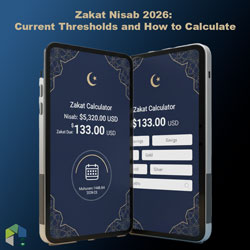
At the heart of Islamic charity is zakat, one of the Five Pillars of Islam. Zakat is an obligatory act: eligible Muslims give 2.5 % of their accumulated wealth each year to specific categories of recipients outlined in the Qur’an, such as the poor, the needy, and those burdened by debt. While zakat can be paid anytime once due, many Muslims choose to fulfill this obligation during Ramadan, believing that acts of worship and charity carry multiplied spiritual reward during this blessed month.
Complementing zakat is sadaqa—a broader category of voluntary giving that encompasses any act of generosity beyond the requirement: from financial gifts to small acts of kindness and compassionate service. While zakat ensures equitable distribution of wealth, sadaqa expresses personal generosity and care for immediate human need.
Ramadan is a spiritual crescendo—but it is also a philanthropic moment. Research from the Muslim Philanthropy Initiative at the Indiana University Lilly Family School of Philanthropy shows that the month is the central giving season for many Muslim organizations and givers in the United States. Nearly 70 % of Muslim Americans report that they always give zakat during Ramadan, fulfilling both religious duty and communal responsibility.
Studies indicate that a significant portion of Muslim-led charities’ annual funding is received during Ramadan, with organizations often raising well over half of their budget in the months before, during, and after the holy month. This pattern underscores Ramadan not just as a spiritual obligation but as a critical fundraising period—one that sustains vital services year-round.
Philanthropy isn’t just about generosity—it’s about impact. Research by the Institute for Social Policy and Understanding (ISPU) suggests that American Muslims direct their giving toward a broad spectrum of causes, both within and outside their faith community.
Studies show that within the Muslim community, giving often supports houses of worship and faith-based institutions. But giving extends well beyond that: American Muslims are equally—if not more—likely to fund causes that address domestic poverty alleviation, educational opportunities, and civil rights protection.
For example:
This expansive view of impact is consistent with Islamic ethics: charity should comfort the afflicted, uplift the disenfranchised, and nurture human flourishing wherever need exists.
Against this backdrop of faith-driven giving, the American Muslim Community Foundation (AMCF) has emerged as a leading platform for strategic, sustained philanthropy—especially through Donor Advised Funds (DAFs).
DAFs are flexible, tax-advantaged charitable investment accounts that allow donors to recommend grants to qualified nonprofits over time. For many Muslim donors, Ramadan becomes a natural time to fund or contribute to a DAF, ensuring that their giving has ongoing impact rather than being limited to one month of the year.
According to AMCF’s published impact figures, the organization has stewarded over $26 million distributed to more than 1,000 nonprofit organizations through its DAF platform. This includes 255+ Donor-Advised Funds, 6,300 + recommended grants, and 24 nonprofit endowments, supporting both Muslim-led and broader charitable work across the U.S. and beyond.
During Ramadan alone, AMCF processes millions in grant distributions—multiplying individual gifts into collective impact at scale.
DAFs also allow donors to align giving with religious values and principles, offering tools like zakat calculators and philanthropic advising, educational resources, and grant processing to help Muslims give with confidence and clarity.
Ramadan reminds us that generosity is not an isolated act—it is a way of life. Within this holy month, zakat and sadaqa connect personal devotion with collective responsibility. They transform wealth into sustenance, compassion into results, and spiritual intention into measurable change.
Through organizations like AMCF and insights from MPI and ISPU research, we can see how Muslim philanthropy in Ramadan is both timeless and timely: rooted in centuries-old tradition, yet dynamically shaping contemporary civic and social landscapes. As Muslim communities give more of themselves—whether through financial contributions, volunteerism, or advocacy—they strengthen not only their own neighborhoods but the broader fabric of civic life.
In Ramadan, every dollar is more than a gift—it’s a seed of justice, kindness, and hope.



Recent Comments